As a cosmetic packaging supplier who’s spent the last decade obsessing over how the packaging for natural products doesn’t just hold lotion or serum—it tells a story—I’ve watched the industry shift from “just plastic with a pretty label” to something that feels less like a transaction and more like a promise. Natural cosmetics aren’t a fad anymore; they’re a $50 billion global market, per 2023 data, and every part of a product, from the glass jar it’s in to the label that wraps it, has to live up to the same clean, ethical standards as the ingredients inside. Let’s break down the real trends I’m seeing (not the hype you read in a press release) and how my team’s adapting to keep up. Cosmetic Packaging
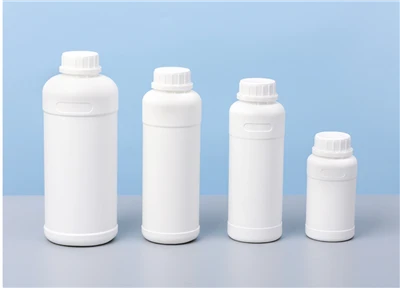
First up is the biggest, most non-negotiable trend right now: circularity that’s actually accessible, not just performative. For years, brands have slapped a “recyclable” label on a plastic bottle made of mixed polypropylene and polyethylene, which no curbside program will take, and called it a day. But natural product buyers—think the woman who shops at indie health stores or orders clean skincare online—are now doing their homework. Last quarter, we had three different clean beauty brands back out of a 100% recycled plastic bottle order because the material came from a supplier that uses recycled fishing nets, but the dye was uncertified, making the entire package ineligible for their “100% transparent supply chain” claim. They told me, “Our customers know that ‘recyclable’ doesn’t mean ‘actually recycled’ anymore.” So now, we’re working with a local plastic recycler that only processes mono-material (single-type plastic) and FSC-certified paper, so we can offer packaging that’s not just labeled recyclable, but can actually be dropped into a standard curbside bin. Even better: we’ve developed a program where we send prepaid mailers to brands for their used packaging (including their old lids and jars, not just the bottle) so they can send it back to us for cleaning and refilling—no fancy “refill station” required. We tested this with a small serum brand last month, and their return rate was 22% in the first 30 days, which blew our original 10% target out of the water. That’s not performative sustainability—that’s circularity that works for both the brand and their customers.
Next, transparency isn’t just a buzzword—it’s a packaging requirement. Natural product buyers want to know exactly what’s touching their skin, and now they want to know exactly what’s holding it. Last year, we started offering a “packaging ingredients” section on all our product quotes, right next to the product’s ingredient list. We list every single component: the resin content of the bottle, the percentage of recycled material, the type of adhesive on the label, even the colorant used for the lid. A botanical skincare brand specializing in sensitive skin told us that this was the first time they’d been able to get a wholesale order from Target’s clean beauty section—Target now requires all vendors to provide full packaging material disclosures, not just product formulas. We’ve also noticed a huge jump in requests for QR codes on the packaging that link directly to our supplier audits for the packaging materials, as well as the brand’s own ingredient sourcing docs. This isn’t about making packaging look “techy”; it’s about closing the loop between the product’s farm and the container it ships in. Earlier this year, we had a CBD skincare brand that wanted a QR code on their jar lid that would show a video of the glass factory that made the jar, and the 100% recycled sand used to melt it. They said their customers were sharing the QR code to Instagram Reels, and their sales on that SKU were up 38% in two months. People don’t want to buy a “natural” product in a black box anymore—they want to see the whole picture.
Then there’s the quiet shift away from “greenwashing aesthetics” toward minimalism that’s functional, not just pretty. For years, natural packaging was synonymous with over-the-top “rustic” design: hand-drawn labels, burlap wraps, oversized glass jars that were impossible to travel with. But last year, we got a ton of feedback from brands saying that customers were returning products because the packaging cracked in shipping, or the burlap wrap fell off within a week of purchase. Now, we’re seeing brands swap that over-the-top design for sleek, uncluttered packaging that still feels natural, but works for real life. For example, we just launched a line of matte white glass jars with minimal embossing—no extra colors, no fancy labels—for a facial oil brand that previously used hand-painted ceramic jars (which had a 15% return rate for shipping damage). The new glass jars have a slightly thicker base and a tamper-evident seal that’s not bulky, so the customer feels like they’re getting a premium product, not a DIY craft. Even better, the new packaging cut the brand’s shipping costs by 18% because it’s 20% lighter than the ceramic, and their return rate dropped to 2%. That’s the key: minimalism that solves a problem, not just looks good on Instagram. We also stopped offering biodegradable plastic (which often only breaks down in industrial compost, not home compost bins) in favor of mycelium-based protective inserts that are actually compostable at home. Last year, a deodorant brand that switched to mycelium inserts saw a 12% increase in repeat purchases, specifically because customers said they “felt good throwing the insert in their backyard compost pile.” People are tired of packaging that looks eco-friendly but doesn’t actually fit into their daily lives.
Another trend I’m seeing that’s often overlooked: inclusive accessibility built into packaging, not added as an afterthought. For too long, natural product packaging has been designed for a narrow set of customers—mostly able-bodied, middle-class people who can open a tight jar lid and read small print from a foot away. But over the last 18 months, we’ve gotten more requests for packaging that’s accessible for people with disabilities, and it’s not a niche request. A 2022 survey by the National Council on Aging found that 75% of adults over 55 have trouble opening standard product lids, and clean beauty brands are starting to take notice. We now offer “easy-grip” lids that have a textured surface for people with arthritis, and large-print, high-contrast labels that are compliant with WCAG accessibility standards. A hair care brand that specializes in natural products for textured hair told us that they noticed a huge gap in their customer base for products that are easy to hold (many textured hair customers have grip challenges) and don’t require reading tiny ingredient lists. They switched to our easy-grip flip-top bottles with large black text on white labels, and their sales grew 29% in six months, with a lot of feedback from customers saying they “finally feel seen.” This isn’t a “nice-to-have” anymore; it’s a way to reach a broader audience and build loyalty with customers who’ve been ignored by the beauty industry for years.
Now, let’s talk about how my team’s navigating these trends, because it’s not as simple as just changing a material or slapping a QR code on a jar. We work with about 20 small to mid-sized natural beauty brands, and the biggest challenge is balancing flexibility with consistency. Brands come to us with all kinds of needs: a CBD brand that needs packaging that’s child-resistant but still easy for adults to open, a facial mask brand that needs compostable packaging that stays intact for 12 months in a humid bathroom, a brand that ships internationally and needs packaging that meets both EU and US recycling standards. Last year, we spent three months testing a new type of mono-material plastic for lip balm tubes that’s both recyclable and has a matte finish—something that was nearly impossible to find two years ago. We partnered with a lab to test it for 6 months to make sure it doesn’t leach any chemicals, even when left in a hot car (a big concern for natural product brands, who don’t use harsh preservatives in their packaging). That testing cost us extra, but it’s worth it because we now have a product that solves a real problem for our clients.
I also want to be honest about the roadblocks we’re hitting, because it’s not all smooth sailing. For example, the demand for fully circular packaging is outpacing the supply of certified recycled materials at a price point that natural beauty brands can actually afford. A lot of recycled plastic that’s certified food-safe is still more expensive than virgin plastic, and small brands have tight budgets. We’ve worked with suppliers to develop a tiered pricing model, so brands can choose between 50% recycled plastic (lower cost) or 100% recycled plastic (higher cost) based on their budget, and we’ve seen that 70% of brands will opt for the higher recycled percentage when it’s available. Another roadblock: shipping packaging that meets different global standards. A brand that sells in the US and EU has to meet different recycling rules, different material safety standards, and different labeling requirements, which can make packaging design way more complicated. But that’s part of the job—we’ve built a team that specializes in cross-border packaging compliance, so our clients don’t have to hire a separate consultant to figure it out.
Looking ahead, the trends I’m watching for 2025 are even more focused on co-creation—brands don’t want to pick from a list of pre-made packaging options; they want to work with a supplier to build packaging that’s unique to their brand and their values. Last month, we started a free “packaging workshop” for our clients, where we walk them through everything from circular design to accessibility, and help them build a packaging strategy that fits their budget and their customers. A small skincare brand that attended the workshop told us they’d been overspending on unnecessary packaging for years, and the workshop helped them cut their packaging costs by 15% while still improving their sustainability claims. That’s the kind of partnership we’re built on—not just selling packaging, but helping our clients do better by their customers and the planet.
At the end of the day, natural product packaging isn’t just about looking nice—it’s a promise. When a customer buys a clean beauty product, they trust that the ingredients are safe, that the brand is ethical, and that every part of that product aligns with those values. As a packaging supplier, our job is to deliver on that promise, not just check boxes. The trends I’ve seen over the last few years are proof that the industry is moving away from performative marketing toward real, tangible change—and that’s a shift I’m proud to be part of.
If you’re a natural beauty brand looking to upgrade your packaging to meet these new standards, or if you just want to chat about what’s next in clean cosmetic packaging, we’d love to connect. Don’t hesitate to reach out to discuss your specific needs and how we can help bring your vision to life.
Pump Dispenser References:
Cosmetics Europe. (2023). Global Natural Cosmetics Market Trends & Sustainability Report.
National Council on Aging. (2022). Accessibility in Consumer Packaging: Barriers and Solutions.
Packaging Digest. (2024). Circular Packaging Adoption in Clean Beauty: 2024 Industry Insights.
Jiangsu Welljoin Plastic Co., Ltd.
As one of the most professional cosmetic packaging manufacturers and suppliers in China, our products have good reputation in the market. Please rest assured to wholesale bulk premium cosmetic packaging from our factory. Good service and quality products are available.
Address: No.6 Chuangye Road, Xuanbao Industrial Park, Taixing, Jiangsu, P.R. China
E-mail: paul@welljoin.com.cn
WebSite: https://www.welljoin-pack.com/
