Hey everyone, if you’ve ever pulled up to a field at 5 a.m. only to have your cultivator sputter out mid-turn, you know farm equipment isn’t just metal and bolts—it’s your livelihood. As someone who’s been in the farm implement game for over a decade now (yeah, I started back when my dad and I fixed our own tractors in the barn, nothing’s changed about that), I get the panic that comes with skipping maintenance to save time, or over-servicing because you’re paranoid about breaking something. The big question I get from new farmers and seasoned vets alike? “How often should I actually service my farm implements?” Let’s cut through the myths, the generic manuals, and the late-season breakdowns to get this right. Farm Implement
First off, let’s stop treating “service” like a one-size-fits-all word. When I say service, I don’t mean just oil changes every 100 hours (though that’s non-negotiable). It’s a whole range of stuff: checking tire pressure, tightening bolts, replacing worn blades, lubricating chains, even making sure the hydraulic lines aren’t frayed. The real key here is context, not just numbers. Let’s break it down by what implement we’re talking about, how you use it, and what environment you’re working in.
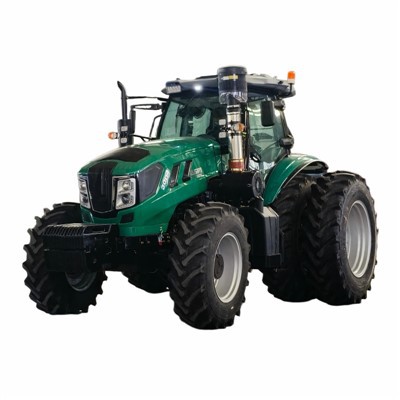
Take the workhorses—your tractors first, since they’re the backbone of everything. Most manuals say 50 hours for engine oil and filter changes, but wait a second—if you’re running that tractor nonstop during planting season, 12 hours a day, that’s 50 hours in four days. If you’re using it lightly in a small hobby farm, that’s two weeks. But here’s the thing: I’ve seen farmers push tractors through dusty, dry plains vs. wet, muddy fields, and the dust is way worse for the engine. Dirt in the oil is like sandpaper grinding parts down. So if you’re working in super dusty conditions, cut that oil change to 40 hours, not 50. And don’t sleep on the hydraulic fluid—most manuals say every 200 hours, but if you’re hitching up a planter or a sprayer that’s moving nonstop, check it every 100 hours. I had a customer last year who skipped that, and his sprayer’s hydraulic pump burned out mid-spray—cost him $1,200 for parts and a whole afternoon of lost spraying when we could’ve caught a low fluid level in a 10-minute check.
Now, let’s talk about implements that do the actual field work— cultivators, planters, harvesters, balers. These are the ones taking the beating every single day, so their service schedule looks totally different. Take a disk harrow: those blades are digging into rock, dirt, and sometimes old crop residue that’s full of gunk. If you’re running it through rocky soil, you should check blade sharpness and tightness every 10 hours. If they’re dull, they’re not cutting through residue—they’re pushing dirt, which uses more fuel and wears the whole implement faster. I’ve had a customer last spring who waited 40 hours to check his disks, and he ended up having to replace half the blades because they bent from hitting a hidden rock. That cost him way more than if he’d just spent 10 minutes tightening and sharpening them every time he finished a field.
Planters are another big one—if your planter’s off by even a quarter inch, you’re messing with seed spacing, germination, and ultimately your yield. For small seed planters (corn, soybeans), I tell customers to do a full service after every 8 hours of use: check seed disks for wear, lubricate the seed metering units, clean the seed tubes, and adjust the ground contact wheels. For big row crop planters with multiple rows, that goes up a bit—every 15 hours, because they’re built to handle more stress, but don’t skip the individual row checks. Last year, a guy brought in his 16-row planter that he’d used all planting season without checking—one of the seed tubes was clogged with old residue, so that whole row had no seed. He lost half a row in every field, which added up to 5 acres of empty ground on his 200-acre farm. That’s money he’ll never get back, and all because he skipped a quick service.
What about stuff you use once a year, like balers or combine headers? These are the ones that sit in the shed most of the year, so people think they don’t need regular service. Wrong. If you don’t service a baler before you start using it, that first bale could jam the whole thing, leaving you stuck in the hay field at dusk. For implements that are seasonal, I recommend pre-season service at minimum—and that’s not just a once-a-year thing. If you baled hay last year, and you used it for 10 hours straight, you should do a mid-season check after every 50 bales, then do a full tear-down after the season for storage. Combine headers are the same—check the knives, the augers, and the belts every 20 acres during harvest. Harvest season is no time to be replacing a combine belt that snapped because it was worn out.
Now, let’s get into the factors that change all these numbers, because generic manual schedules are just a starting point, not a rulebook. First, environment: if you’re farming in the Midwest with tons of moisture and clay soil, rust is a bigger enemy than dust. You should oil all metal parts after every use to prevent rust, even if you don’t do a full service. If you’re out West in dry, dusty conditions, air filters are way more important—check them every 5 hours and replace them when they’re dirty, not just on the service schedule.
Then there’s how you operate your equipment. Do you run it at full throttle nonstop, or do you take breaks, let things cool down? Do you overload implements, like pulling a disk harrow behind a tractor that’s too small for it, straining the whole setup? That extra stress means parts wear faster, so you need more frequent checks. I had a customer last year who bought a used cultivator that was way too big for his tractor—he was always straining the hitch, and he didn’t check it until the hitch snapped in the middle of the field, taking half the cultivator with it. He ended up replacing both, and that delay cost him three days of tilling before planting. If he’d checked the hitch every 10 hours, he’d have seen the bolts were loose and tightened them, no problem.
Here’s a pro tip I learned from my dad, and I still pass it on to every customer: keep a service log. Not something fancy, just a notebook or a notes app on your phone that says “date, hours used, what I checked, what I replaced.” Next year when you go to use that same implement, you can look back and say, “Okay, last year after 20 hours I replaced that belt, so this year it’s time to check it at 18.” It’s way more accurate than whatever the manual says, because it’s specific to your equipment, your fields, and your usage.
Now, let’s address the elephant in the room: the cost of service vs. the cost of breakdowns. I know, time is money, and taking an implement out of service for a few hours to service it feels like you’re losing money. But let’s do the math: a full service for a disk harrow costs maybe $100 in parts and an hour of your time. If you skip that and the blades bend, you’re looking at $500 in new blades, plus two hours of replacing them, plus lost time in the field that could’ve been used for planting or spraying. That’s way more expensive. And don’t forget, when you service your equipment regularly, it lasts longer—we’ve had customers who’ve had their implements for 20 years because they serviced them right, vs. guys who replace theirs every 5 years because they skipped maintenance.
Wait, but what about over-servicing? I see that too—folks who service their equipment every 5 hours when it’s only a small planter. That’s a waste of time and money, right? You don’t need to replace oil that’s still clean, or blades that aren’t worn. The key is to balance the schedule: use the manual as a base, adjust for your environment and usage, and use common sense. If something looks off (a loose bolt, a weird noise, a leak), stop and check it immediately. That’s way more important than sticking to a rigid number.
Let me wrap this up with a quick cheat sheet I give all my regular customers, because I know y’all don’t have time to read a 1,000-word blog. For implements used daily (tractor, planter, cultivator): service major parts every 10-20 hours, minor checks every 5 hours. For seasonal implements (baler, combine header): full service pre-season, mid-season check every 50 units (bales, acres), full tear-down post-season. Adjust for dust/moisture: more frequent air filter checks in dusty areas, more rust prevention in wet areas. And always, always keep that service log—game changer.
If you’re not sure about your specific equipment, or you need help putting together a service schedule, reach out. We don’t just sell farm implements—we help you keep them running, because when your equipment runs, your farm runs. Don’t wait until you’re stuck in the middle of a field at 10 p.m. with a broken part. Hit us up to talk through your setup, your fields, and figure out exactly how often you need to service your stuff, so you can focus on growing, not fixing.
Walking Tractor References:
- American Society of Agricultural and Biological Engineers. (2021). Maintenance Schedules for Farm Implements and Tractors. ASABE Standards.
- National Agricultural Statistics Service. (2022). Farm Equipment Maintenance and Downtime Report. U.S. Department of Agriculture.
- Machinery Pete. (2023). Seasonal Service Best Practices for Harvest and Planting Equipment. Machinery Pete Media.
Shandong Ling Ke Industry Group Co., Ltd.
As one of the most professional farm implement manufacturers and suppliers in China, we’re featured by quality products and good price. Please rest assured to buy cheap farm implement for sale here from our factory. We also accept customized orders.
Address: 50 Meters West of the Connecting Road Between Jiuma Road and Shima Road, Fangzi District, Weifang City, Shandong Province, P.R.China
E-mail: aileenlin@sdlingkegroup.com
WebSite: https://www.lingketractor.com/
